


Google made a quiet change last week that will send some of your holiday ad clicks to pages you never picked.
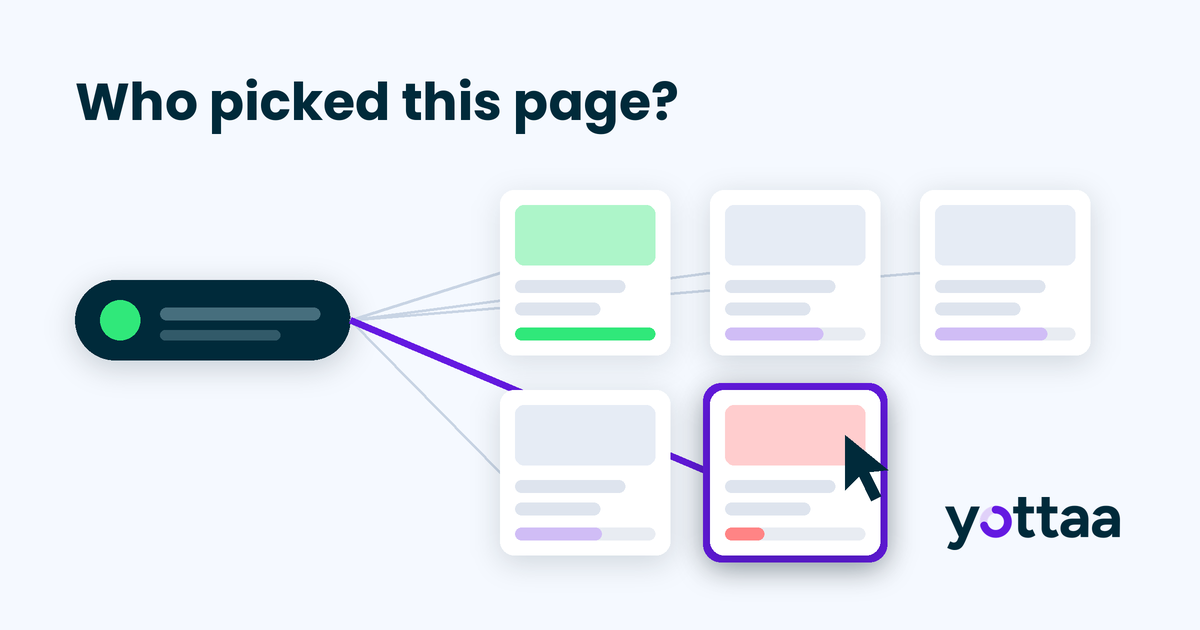
Google Ads Editor 2.14, released around November 12, now creates every new Search campaign with AI Max, text asset automation and Final URL expansion switched on (Google Ads Editor Help; PPC Land). Final URL expansion is the one that matters for your site. When it’s on, Google “may replace your Final URL with a more relevant landing page based on the user’s search query,” and write a headline to match (Google Ads Help).
Some context first. This applies to new Search campaigns built in Editor. The release notes don’t say existing campaigns will flip, and Final URL expansion was already on by default for anyone who opted into AI Max in the web interface. What changed is that it’s now the starting point for campaigns built in the tool many agencies and in-house teams use for bulk holiday builds, 15 days before Black Friday.
Why this is a site speed problem
For most eCommerce teams, paid landing pages are the best-tuned pages on the site. Someone picked them, tested them, trimmed the hero image and argued about which widgets load above the fold.
Final URL expansion picks pages for relevance. Google says it will only send traffic to URLs that are “query relevant and themed to your ad group” (Google Ads Help). Relevance says nothing about load time. The page that best matches “waterproof hiking boots wide fit” might be a filtered category page with a reviews widget, a recommendations carousel, a chat launcher, and four ad platforms’ pixels, none of which anyone has looked at since spring.
That page is now an ad destination, in the run-up to Cyber Week.
The revenue math hasn’t changed. Shopify’s analysis of its merchants found that every 100 milliseconds of slower load time correlated with about 3.5% lower conversion, and that a store with a 2.5-second LCP converted roughly 30% worse than one at 1.5 seconds. For mature, high-volume stores the effect was about a third of that, Shopify said, but spread across far more orders (Shopify, Apr 27, 2026). A paid click that lands on a slow page costs the same as one that lands on a fast page. It just returns less.
Third-party code is usually what separates those two pages. Yottaa’s data shows third-party apps account for 44% of eCommerce load time, and they aren’t spread evenly. Category and content pages often collect whatever marketing added last.
What to do before Black Friday
None of this argues for turning AI Max off across the board. Better query matching may well find buyers your keyword list misses. The point is to decide where that traffic is allowed to land.
- Find out where expanded traffic already goes. For any campaign with Final URL expansion on, open the Landing pages report. Its “Selected by” column shows which URLs AI Max chose, and you can add URL exclusions straight from it (Google Ads Help).
- Check those pages in real-user data, by page type. A lab test of your homepage tells you nothing about a filtered category page on a mid-range phone. Look at field LCP and INP for the page templates receiving expanded traffic, mobile first.
- Exclude what can’t take paid traffic yet. Support pages, store locators, old campaign pages and anything with a broken or bloated template. URL exclusions are a campaign-level setting.
- Fix the templates that will keep getting traffic. If category pages are going to be landing pages, they need the same third-party discipline as your landing pages: tags that don’t help the shopper decide load after the page is usable, not before.
- Make the Editor default a decision. If your team or agency is building new Search campaigns in Editor this week, check the Final URL expansion setting on purpose.
This is where Yottaa fits. Yottaa RUM measures every page type on real shopper sessions, by device and browser, so you can see which templates hold up before Google sends them traffic. Application Sequencing controls when each third-party tag loads on each page, without a code release, which matters when the change window closes this week.
The landing page is now the whole site
Final URL expansion is one setting in one tool. The direction is bigger. Google says Dynamic Search Ads campaigns will be upgraded to AI Max automatically starting in February 2027 (Google Ads Help). More of the choice of page and headline is moving to the platform, and the platform chooses on relevance. Speed stays your job.
The practical shift is simple to state and hard to do: performance standards that used to apply to a handful of landing pages now apply to every page a machine might pick. It takes field data by page type and a plan for the templates that fail.
Which page on your site would you least want Google to send a Black Friday click to?
Subscribe to our blog

Performant Experimentation – A Guide to A/B Testing
Every A/B test you run is a purchase. You’re buying information—an answer to a hypothesis—and you’re paying for it in degraded performance and lost conversion during the test window.
Download eBook